
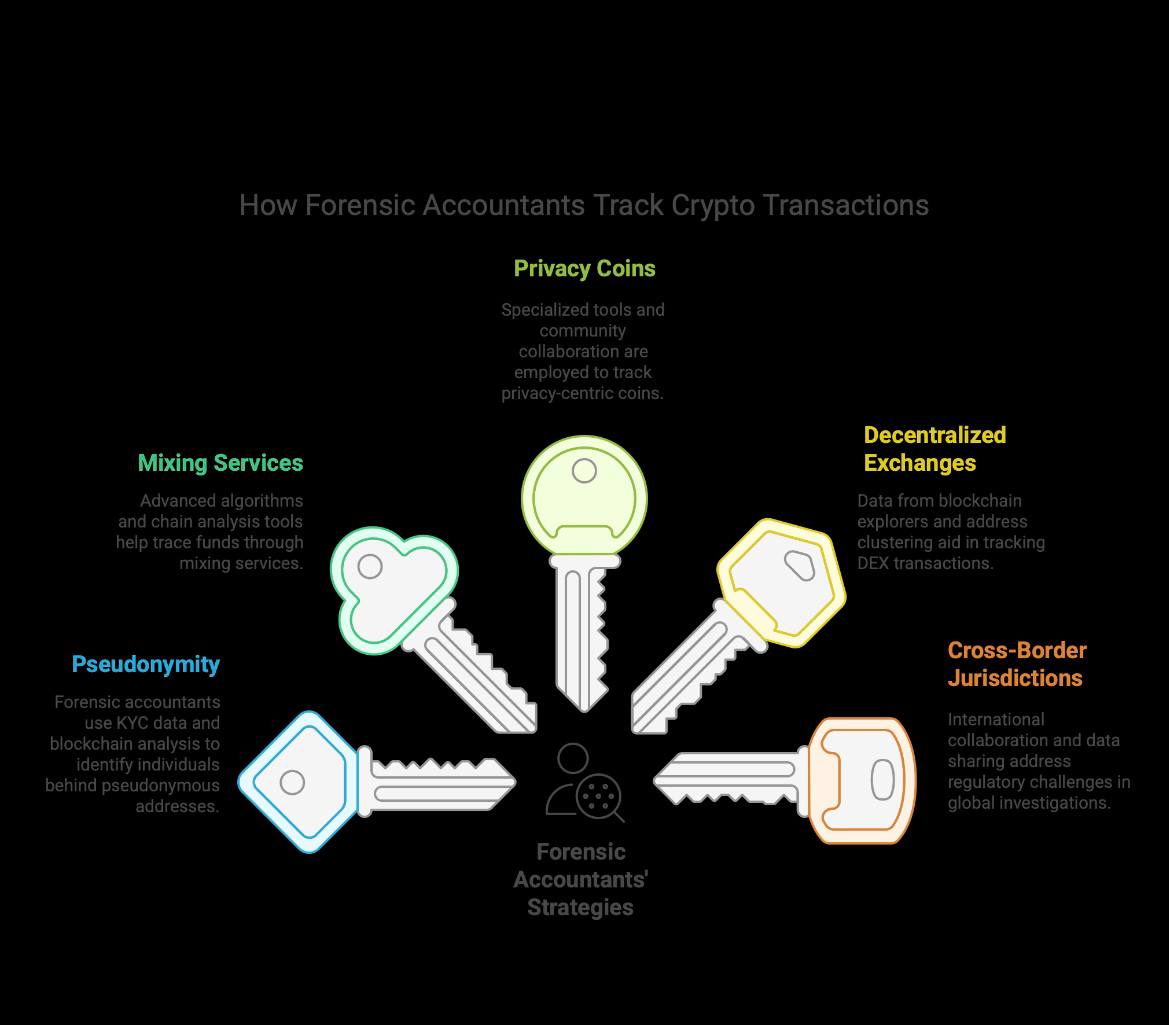
Ultimate Guide to Tracing and Recovering Stolen Crypto.
Cryptocurrency scams are evolving faster than ever — but so is the technology used to fight them.
Every year, victims lose billions of dollars to fake investment platforms, hacked wallets, phishing attacks, rug pulls, and romance scams. Most scammers still rely on the same lie:
“Crypto is untraceable. Once it’s gone, it’s gone forever.”
In 2026, that myth is officially dead.
Thanks to blockchain forensics, stolen digital assets can now be tracked across thousands of transactions — and in many cases successfully recovered.
Professional recovery firms like Private-Hackers.com are using advanced forensic technology to help victims reclaim their stolen cryptocurrency.
What Is Blockchain Forensics?
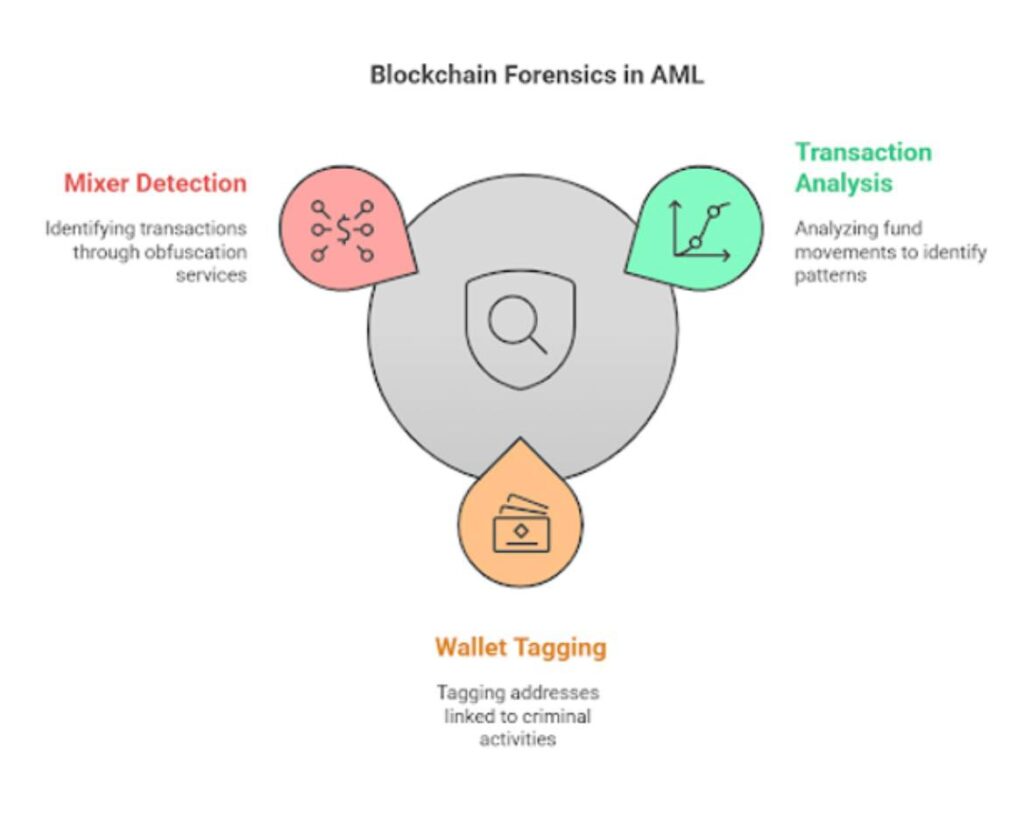
Blockchain forensics is the investigation of cryptocurrency transactions across public blockchains to uncover fraud, theft, and illegal activity.
Unlike traditional banks, blockchains permanently record every transaction — creating a transparent financial trail that can be analyzed in extreme detail.
Forensic experts can:
• Track stolen crypto across thousands of wallets
• Identify scam networks and linked addresses
• Follow funds through exchanges and mixing services
• Detect laundering behavior
• Generate legal-grade forensic reports
Simply put:
Crypto leaves fingerprints — and blockchain forensics knows how to read them.
Why Scammers Are No Longer Safe on the Blockchain
Early crypto criminals believed anonymity would protect them.
Modern blockchain analytics proved them wrong.
Today’s forensic technology can:
✔ Link wallets into criminal networks
✔ Trace assets across multiple blockchains
✔ Monitor exchange deposits in real time
✔ Freeze funds before cash-out
✔ Support law enforcement and civil recovery
Even criminals using privacy tools make mistakes — and mistakes leave trails.
Once funds touch the blockchain, the evidence is permanent.
Recovery is not guesswork — it’s a structured forensic process.
- Transaction Mapping
Investigators trace stolen assets from the victim’s wallet through every movement across the blockchain.
This reveals:
• Receiving wallets
• Transfer chains
• Holding addresses
• Exchange deposits
The result is a complete financial roadmap.
- Wallet & Network Analysis
Specialized tools uncover:
• Connected scam wallets
• Criminal clusters
• Reused addresses
• Laundering routes
Often, entire fraud operations are exposed — not just one scammer.
- Exchange Tracking & Asset Freezing
Most criminals eventually move funds to centralized exchanges.
Forensic teams:
• Monitor exit points
• Flag stolen crypto
• Submit forensic evidence
• Request asset freezes
Many recoveries happen at this stage.
- Legal & Financial Recovery Support
Professionally documented forensic reports are used for:
• Exchange disputes
• Law enforcement cases
• Civil asset recovery
• Negotiated fund returns
How Private-Hackers Helps Recover Stolen Crypto
Private-Hackers.com specializes in blockchain investigations and cyber recovery services for individuals and businesses impacted by crypto fraud.
Their forensic recovery model combines:
🔎 Advanced transaction tracing
📊 Detailed forensic reports
⚖ Legal-grade digital evidence
🚨 Exchange monitoring & intervention
🤝 Strategic recovery coordination
They regularly handle:
• Fake investment platforms
• Wallet hacks & phishing drains
• Romance scam transfers
• NFT fraud
• Insider theft
• Rug pull token schemes
Many victims recover partial or full amounts, even after laundering attempts.
Crypto Scams Blockchain Forensics Can Solve
If crypto moved on a blockchain — it can usually be traced.
Most recoverable cases include:
• Investment scam platforms
• Phishing wallet drains
• Malware compromises
• Fake trading apps
• Romance scams
• NFT marketplace fraud
• Token rug pulls
⏱ Speed matters. The sooner forensic tracing begins, the higher the recovery success rate.
Why Blockchain Forensics Is the Future of Financial Security
As crypto adoption grows, so does cybercrime.
But transparency is now the criminal’s biggest weakness.
Blockchain permanently records:
✅ Every transaction
✅ Every wallet interaction
✅ Every laundering attempt
Which means:
• Crimes can’t be erased
• Trails can be reconstructed
• Networks can be exposed
“Untraceable crypto” is officially a myth in 2026.
Final Thoughts: Stolen Crypto Is No Longer Hopeless
Losing cryptocurrency is devastating — emotionally and financially.
But modern blockchain forensics has changed the game.
With the right forensic tools, investigative expertise, and fast action:
✔ Stolen funds can be tracked
✔ Criminal networks can be uncovered
✔ Assets can often be recovered
If you’ve been affected by crypto fraud, acting quickly is critical.
The earlier forensic tracing begins, the greater your chance of recovery.







🇸🇬 Singapore — Wei Jun Tan
My company lost USDT in a supplier impersonation scam. Private-Hackers conducted a forensic trace and identified the laundering path through mixers and exchanges. Their findings allowed us to act quickly with our exchange’s compliance team. We recovered part of the funds and implemented stronger verification procedures.
Spain — Marta Ruiz, Madrid
I transferred Bitcoin to an individual posing as an investment advisor. When communication stopped, I contacted Private-Hackers.com.
They traced the transactions and identified the exchange used to cash out the funds. While recovery is still uncertain, their report gave me a structured path to pursue the case legally.
🇩🇪 Germany — Lukas Weber, Frankfurt
A spoofed executive email created a sense of urgency that led to an unauthorized Bitcoin transfer from our corporate account. The message mimicked our CEO’s communication style and referenced real projects, making it highly convincing. Private-Hackers.com performed a meticulous transaction analysis and revealed patterns consistent with an organized cybercrime group known for business email compromise schemes.
Their documentation proved invaluable during the investigation and enabled us to present a well-supported case to regulators and legal counsel. As a result, we strengthened email authentication measures, enforced dual-approval payment controls, and introduced targeted cybersecurity awareness training.
Bulgaria — Simeon Petrov, Sofia
Our company fell victim to a carefully executed business email compromise that redirected a scheduled cryptocurrency payment to a fraudulent wallet. The attackers had gained access to a vendor’s email account and altered the payment details at the last moment, making the request appear legitimate. By the time the discrepancy was discovered, the funds had already been transferred.
Private-Hackers.com conducted a thorough blockchain trace, tracking the movement of the assets across multiple wallets and identifying patterns linked to a broader fraud operation. Their comprehensive report supported our legal filing and provided critical intelligence to the authorities. Following their guidance, we strengthened our vendor verification procedures, enforced dual-authorization for crypto transactions, and implemented staff training to reduce the risk of future incidents.