Proven Penetration Testing in Switzerland That Stop Cyber Attacks.
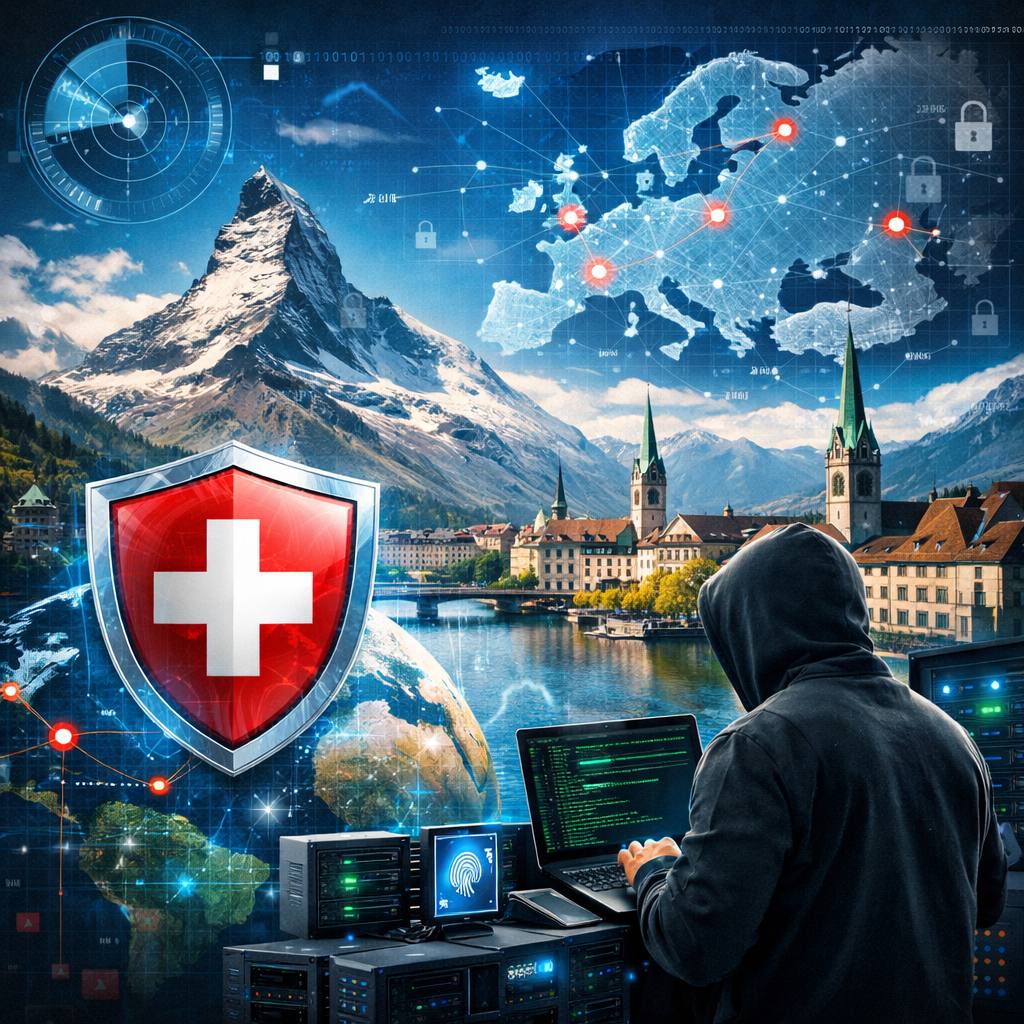
Proven Penetration Testing Services in Switzerland That Stop Cyber Attacks Fast
Certified Ethical Hacking That Protects Swiss Businesses from Real Cyber Threats
Cyber-attacks in Switzerland are rising rapidly, targeting financial institutions, healthcare providers, manufacturing companies, and fast-growing tech startups.
From ransomware locking corporate systems to data breaches exposing sensitive client information, Swiss businesses are now prime targets for sophisticated cybercriminals.
Traditional cybersecurity tools alone are no longer enough.
That’s why organizations across Switzerland are turning to professional penetration testing services — real-world ethical hacking that identifies vulnerabilities before attackers exploit them.
In this guide, you’ll learn:
• Why cyber threats are increasing in Switzerland
• What penetration testing really involves
• How ethical hackers stop modern attacks
• The most important penetration testing services for Swiss companies
• How to choose a trusted cybersecurity partner
🚨 Why Switzerland Is a Major Target for Cyber Attacks
Switzerland is known for:
• Global financial institutions
• High-value data centers
• Healthcare research and innovation
• Advanced manufacturing
• Growing cloud infrastructure
These make it extremely attractive to cybercriminals.
Common threats facing Swiss businesses include:
• Ransomware attacks
• Phishing and social engineering
• Network intrusions
• Web application exploits
• Cloud misconfigurations
• Insider data leaks
A single breach can lead to massive financial losses, regulatory penalties, and long-term reputational damage.
🔐 What Is Penetration Testing (Ethical Hacking)?
Penetration testing — also called ethical hacking — is a proactive cybersecurity approach where certified professionals simulate real cyber attacks to test your security systems.
Instead of relying only on automated tools, ethical hackers:
✔ Think like real attackers
✔ Exploit weaknesses safely
✔ Identify hidden vulnerabilities
✔ Deliver actionable security fixes
The goal is simple: find security gaps before criminals do.
🇨🇭 Why Penetration Testing Is Essential for Swiss Businesses
Switzerland has strict data protection and cybersecurity regulations, making breaches costly and legally complex.
Penetration testing helps organizations:
• Prevent data breaches
• Strengthen digital infrastructure
• Meet compliance requirements
• Protect financial and customer data
• Avoid downtime and recovery costs
• Build long-term trust
Today, many Swiss companies perform penetration tests annually — or after major system changes — as a core security strategy.
🧠 Key Penetration Testing Services in Switzerland
- Network Penetration Testing
Identifies vulnerabilities in:
• Internal corporate networks
• Firewalls and servers
• Remote access systems
• Wireless infrastructure
- Web Application Penetration Testing
Secures:
• E-commerce platforms
• banking portals
• SaaS systems
• APIs and databases
against SQL injections, broken authentication, data leaks, and more.
- Cloud Security Testing
Examines cloud environments for:
• Misconfigured access controls
• exposed storage buckets
• privilege escalation risks
• compliance gaps
- Social Engineering Testing
Simulates phishing and human-based cyber-attacks to test employee awareness.
- Red Team Security Exercises
Full-scale cyber attack simulations that test organizational defenses end-to-end.
🏆 What Makes a Penetration Testing Company Effective in Switzerland?
When selecting ethical hacking services, look for:
✅ Certified cybersecurity professionals (CEH, OSCP, CISSP)
✅ Real-world hacking experience
✅ Legal & confidential testing processes
✅ Clear vulnerability reporting
✅ Compliance-focused remediation strategies
Professional providers like Private-Hackers.com combine ethical hacking with advanced digital investigation techniques to uncover even deeply hidden security weaknesses.
⚙️ How the Penetration Testing Process Works
Step 1 – Scope & Risk Assessment
Define systems, goals, and attack surface.
Step 2 – Ethical Attack Simulation
Controlled cyber attacks test real security defenses.
Step 3 – Vulnerability Verification
Weaknesses are confirmed and documented.
Step 4 – Detailed Security Report
You receive:
• Risk severity ratings
• exploited vulnerabilities
• attack methods
• step-by-step remediation advice
Step 5 – Security Strengthening
Systems are secured against future threats.
📈
Beyond protection, penetration testing delivers:
• Stronger regulatory compliance
• Improved customer trust
• Reduced operational risk
• Enhanced cybersecurity posture
• Long-term cost savings
Cybersecurity has become a business necessity — not just an IT function.
❓ Frequently Asked Questions
Is penetration testing legal in Switzerland?
Yes — when performed by authorized cybersecurity professionals.
How often should Swiss companies test their systems?
At least once per year, or after major updates.
Will penetration testing disrupt operations?
Professional testing is controlled to minimize any impact.
Is penetration testing suitable for small businesses?
Yes — SMEs are increasingly targeted by cybercriminals.
🔒 Stop Cyber Threats Before They Cause Damage
Cyber attacks continue to evolve — but ethical hackers stay ahead of criminals.
If your organization operates in Switzerland and relies on digital systems, penetration testing is one of the most effective ways to secure your infrastructure.
Trusted cybersecurity providers like Private-Hackers.com offer:
• Certified ethical hacking services
• network & cloud penetration testing
• vulnerability assessments
• red team simulations
• compliance-focused cybersecurity solutions
🚀 Ready to Secure Your Swiss Business?
Invest in proven penetration testing services in Switzerland and eliminate vulnerabilities before hackers exploit them.